

Beyond yes or no: measuring real organisational performance
The GIF Framework metric is designed to measure and assess performance accurately and reliably, capturing an organisation's level of performance.
Unlike metrics based on binary responses such as "yes / no / not applicable", which are typical of management system assessments, the GIF Framework assigns a score that reflects the level of excellence achieved.
The score represents a holistic evaluation of the elements associated with each topic, structured to support the metric.


From score to full insight: understanding ESG risk exposure
Each topic within the Framework is assigned a score ranging from 0 to 100.
Topic-level scores are aggregated to determine the score for each area and, subsequently, for each criterion.
The overall score represents the organisation's total level of exposure to ESG risks.
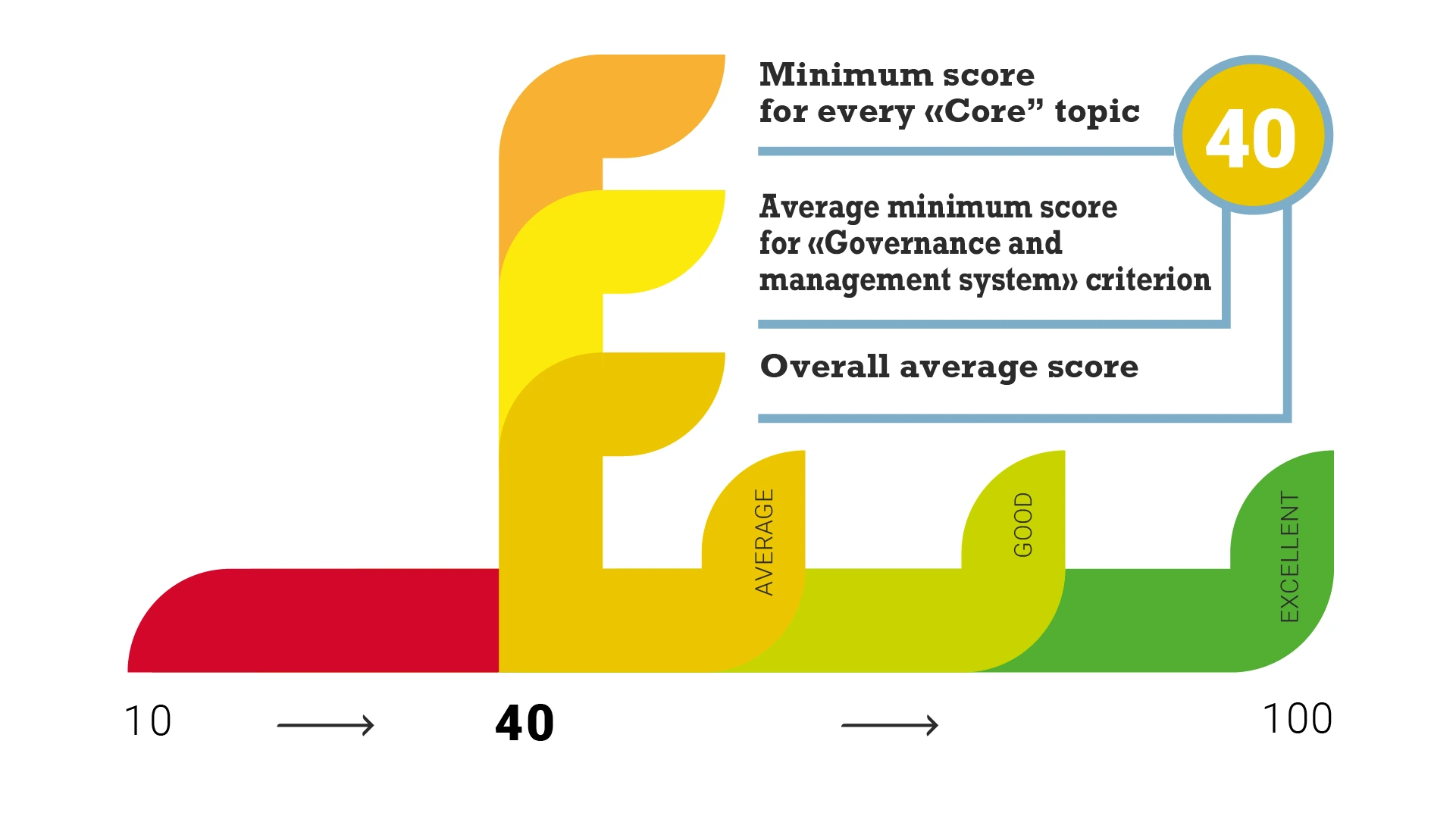
GIF thresholds: concrete results, not just intentions.
To obtain the ESG rating and the GIF Responsible Organization label, an organisation must meet all three minimum thresholds defined in the programme regulations.
Excelling in a single aspect of sustainability is not sufficient: organisations are required to achieve a solid average score across all ESG dimensions and related risks.
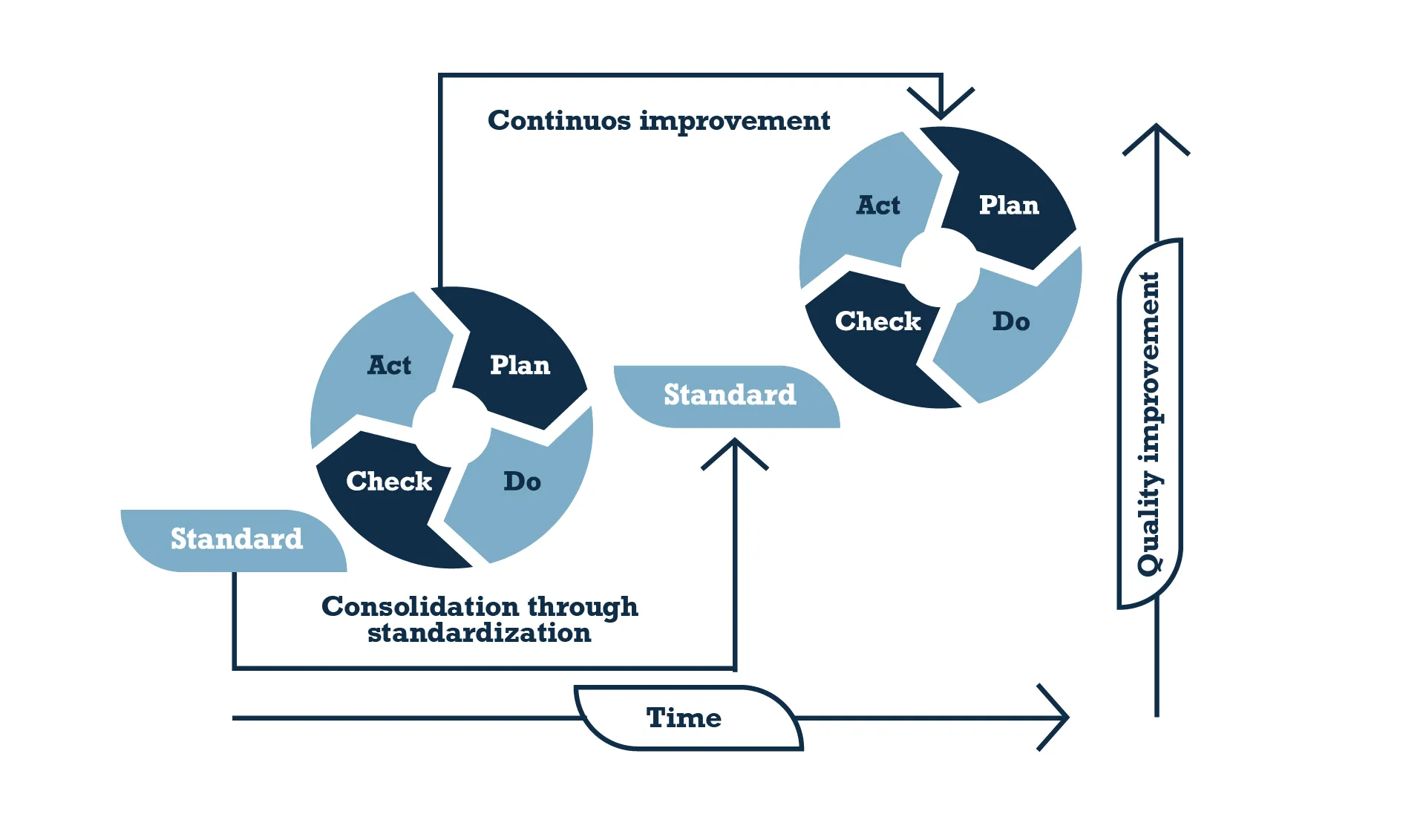
Measuring effectiveness, integrating processes, meeting stakeholder expectations.
The assessment of topics under the "Governance and Management System" criterion is based on the PDCA cycle (Plan, Do, Check, Act) and focuses on how each process:

addresses all ESG aspects

is integrated with other organisational processes

ensures alignment with stakeholder expectations
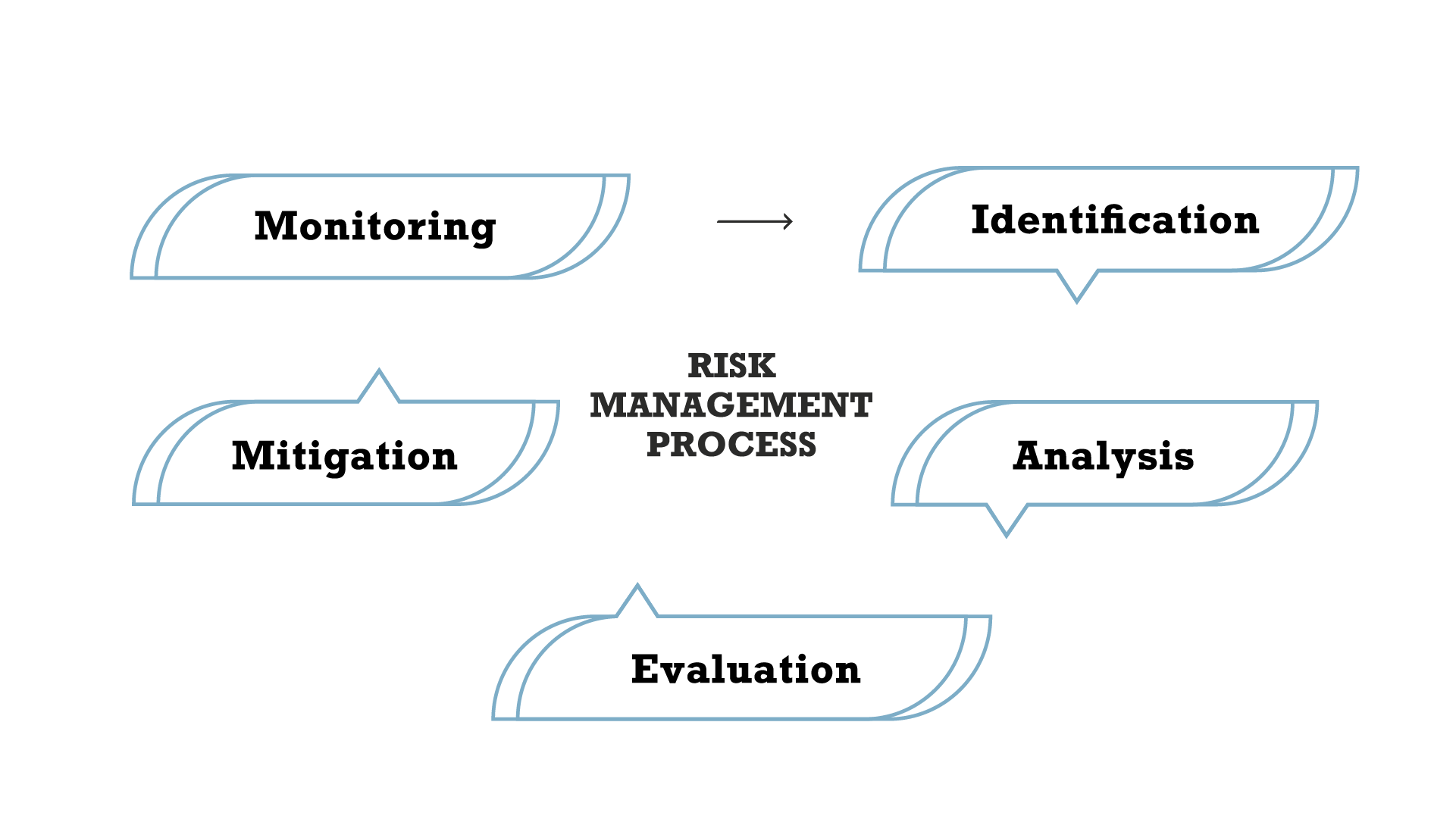
Understanding risk, anticipating impact, improving decision-making.
The assessment aims to estimate the organisation's level of exposure to risk events that may occur within the organisation itself or along the value chain.
For each topic, the score reflects an overall judgement of the level of exposure to risk events, taking into account the relevance of the topic, the identification and assessment of risks, and the planning and implementation of mitigation and remediation measures.
The assessment evaluates both the likelihood and the potential impact of risk events by considering historical and current data, as well as expected future outcomes.
GIF provides a consistent framework for benchmarking and comparability
Alongside monitoring, benchmarking plays a crucial role in understanding an organisation's positioning relative to its peers and competitors.
Get It Fair enables organisations to continuously benchmark their performance against comparable organisations, highlighting specific areas for improvement on which to focus resources in order to achieve excellence.

The Three perspective for Risk Assessment

The core parameters used to assess current and potential risks are as follows:
Past:
historical facts, performance outcomes, and data
Present:
on-site observations, document reviews, and interviews conducted to verify the accurate identification of risks and their up-to-date assessment within the organisation and across the value chain, in proportion to the relevance of the topic
Future:
the adequacy of policies, objectives, action plans, mitigation and remediation measures, as well as the resources allocated to minimise risk exposure, including transition risk.
The assessment results in a final score for each topic within the GIF Framework: the higher the score, the lower the level of risk exposure.