


Validation Process
Objectivity you can rely on
Objectivity you can rely on
The ESG Rating provides a forward-looking assessment of an organisation's exposure to ESG risks.
The only way to estimate ESG risks on a predictive basis with a reasonable level of assurance is to conduct an on-site assessment.
The on-site evaluation at the company's premises, carried out by certified assessors (GIF AP Assessors), is the distinguishing element that enables both the verification of the reliability of information relating to past performance, and the assessment of the plausibility of assumptions for future use.
At the conclusion of the assessment, the company receives:
- a detailed final report highlighting strengths and areas for improvement;
- the validation of the "GIF Responsible Organization" claim and mark.
The ESG Rating is issued with a reasonable level of assurance.

The ESG rating evaluation process is conducted in ten steps, in accordance with the international standard ISO/IEC 17029.
The ESG rating evaluation process is conducted in ten steps, in accordance with the international standard ISO/IEC 17029.
The ten steps are organised into three fundamental phases:
- Assessment preparation
- Assessment
- Post-assessment
The ten steps are organised into three fundamental phases:
- Assessment preparation
- Assessment
- Post-assessment
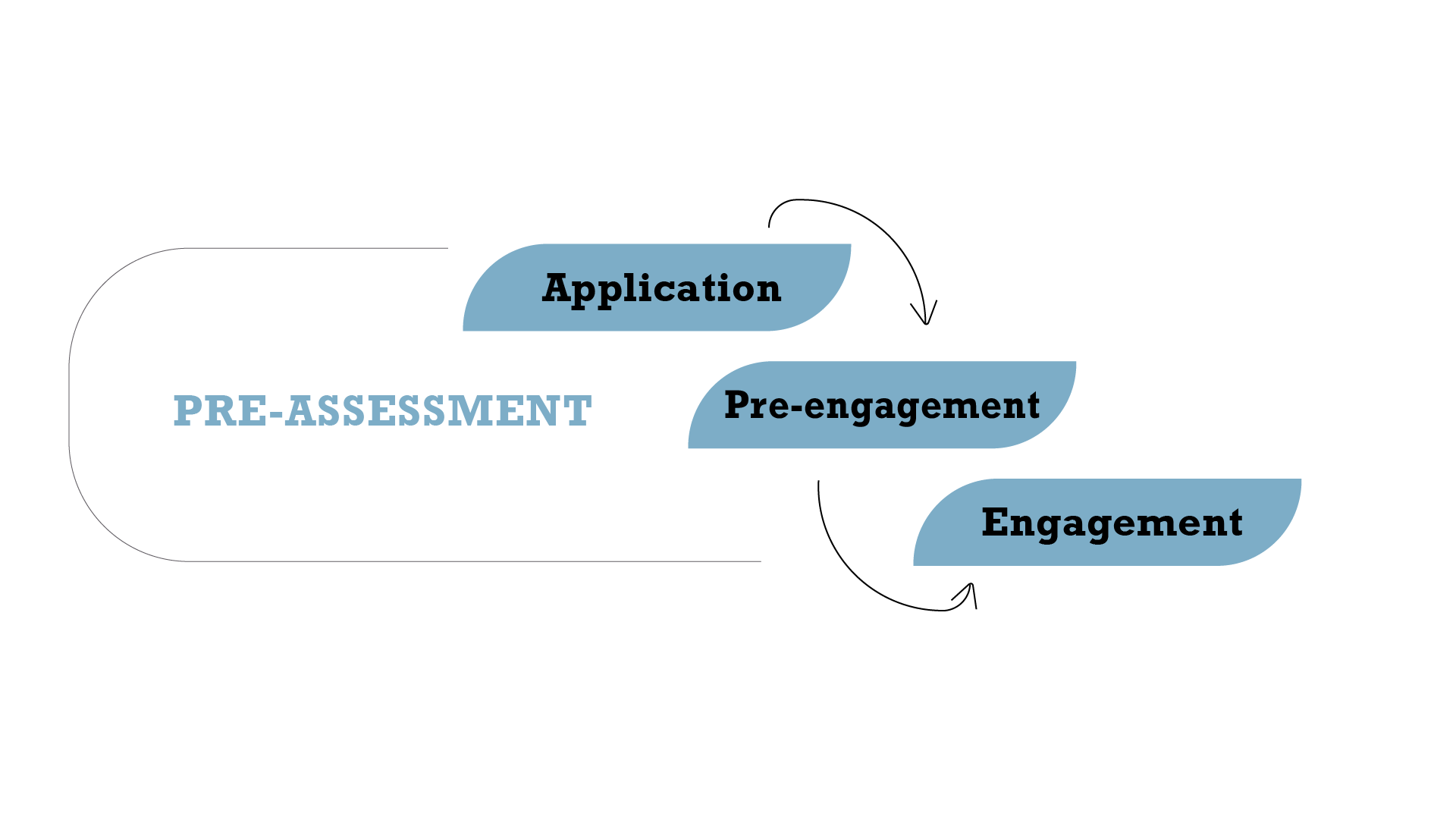
Assessment preparation
The company submits an application for the service to an accredited body, providing the minimum information required to prepare a proposal and define the terms of the engagement (e.g. indicative man-days).
Once the application has been accepted, the company provides a set of documents intended to assess the engagement risk. The purpose of this step is to reduce the likelihood that the assessment cannot be successfully completed.
This phase concludes with the execution of a contract between the accredited body and the company, defining the rights and obligations of the parties for the subsequent evaluation phases.
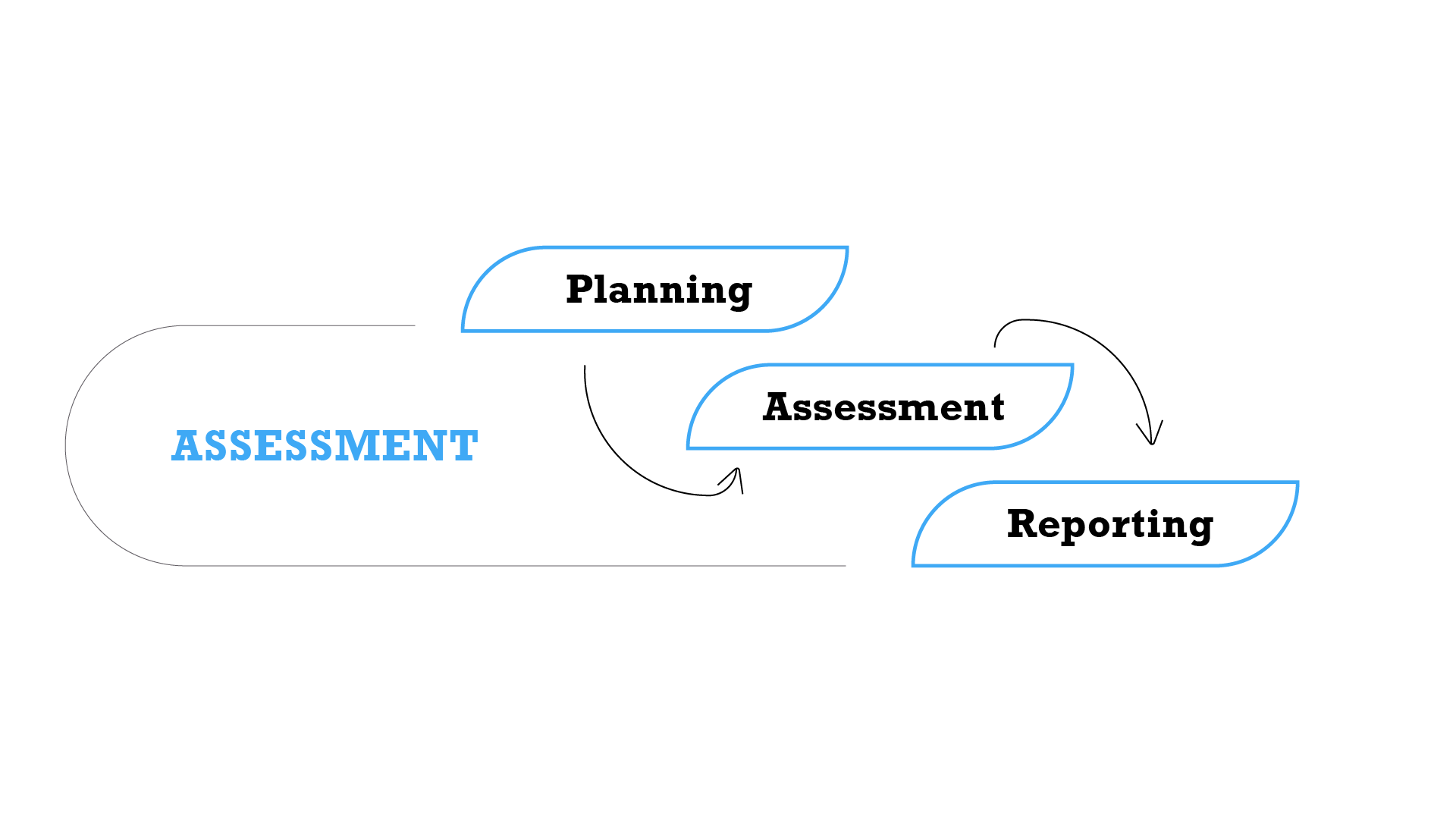
Assessment
The on-site visit is the core of the process. A forward-looking estimation of ESG risks with an adequate level of reliability cannot be based solely on self-assessments, publicly available online documentation, or unverified information.
It is therefore necessary to carry out on-site verification of material topics, policies, the risk register, sustainability objectives and plans, risk mitigation measures, budget allocations, and—crucially—to conduct interviews with personnel across all levels and functions of the organisation.
The assessment requires highly qualified assessors with proven managerial experience and auditing expertise.
At the conclusion of the assessment, a score is determined and a final report is prepared, providing structured guidance to support the company's future improvement.
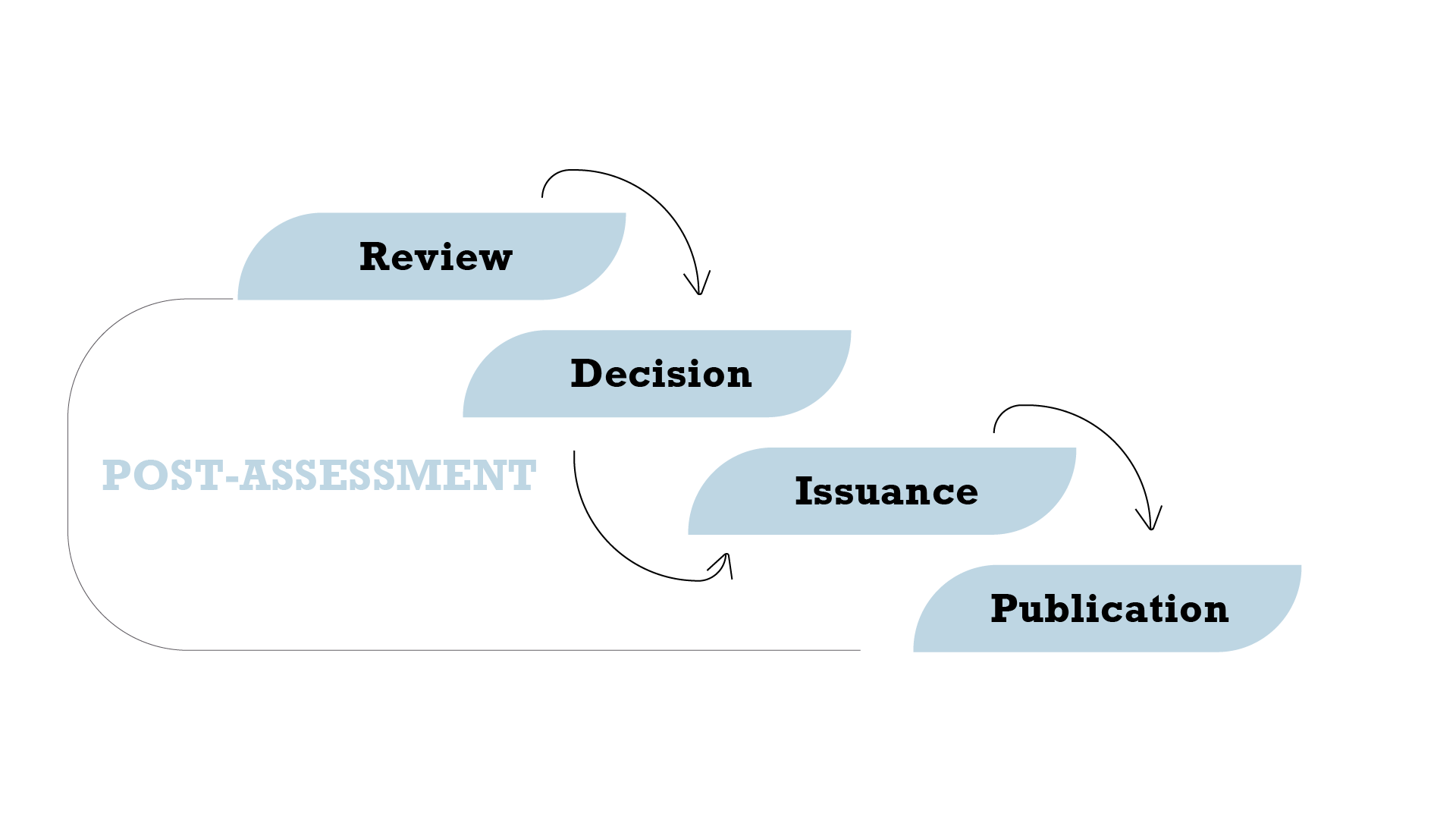
Post-Assessment activities
To enhance the reliability of the process, the final evaluation report prepared by the assessment team is subject to a thorough independent review.
Only upon completion of this phase is the accredited body in a position to take a decision on the assessment outcome and proceed with the issuance of the attestation.
The final step consists of the publication of the rating validation on the official website of the Get It Fair programme and on the website of the accredited body.
Following publication, the company is able to demonstrate the result achieved, and any interested party may verify the validity status of the attestation over time.